Why Your Home Feels Dark — And How to Fix It Thoughtfully
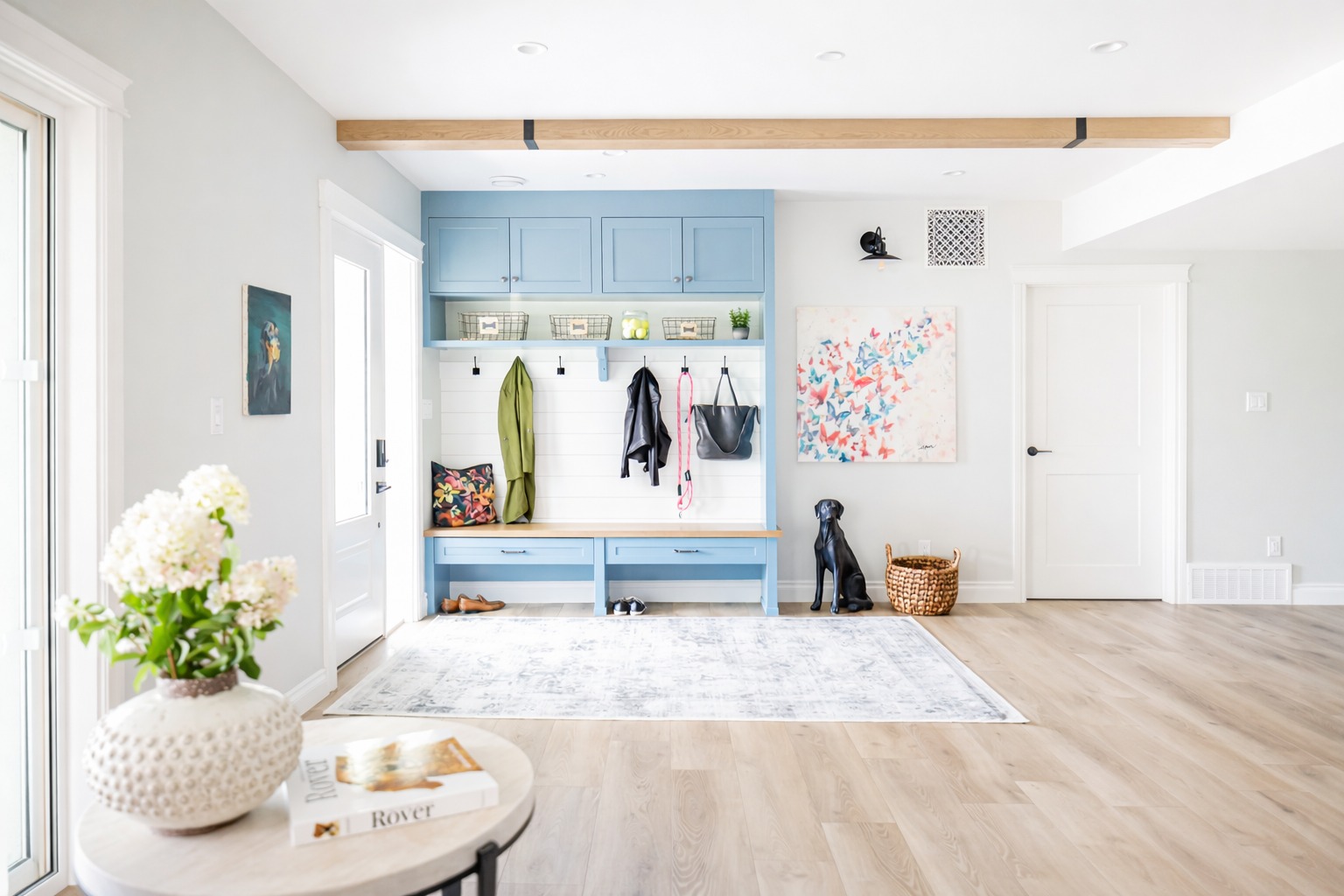
This is one of the most common questions we’re asked:
“How can we make our home feel brighter?”
Sometimes it comes from homeowners who have lived in their space for years.
Other times, it’s from clients who have just purchased a home that feels darker than expected.
In almost every case, the instinct is to focus on one solution — more windows, lighter paint, or new lighting.
But in reality, brightness is never created by a single change.
It’s the result of several layers working together.
Understanding Why a Home Feels Dark
Before making any changes, it’s important to understand why a space feels dark in the first place.
There are a few key factors we always assess at the beginning of a project.
Sun Exposure and Orientation
The direction your home faces has a significant impact on how much natural light it receives — and how that light behaves throughout the day.
North-facing spaces tend to feel cooler and more subdued
East-facing rooms receive soft morning light but can feel dim later in the day
South-facing spaces typically receive the most consistent light
West-facing rooms can feel bright in the evening but flat earlier on
In many cases, window placement is already fixed — and building constraints often limit how much additional glazing can be introduced.
Which means the solution needs to come from within the home, not just the exterior.
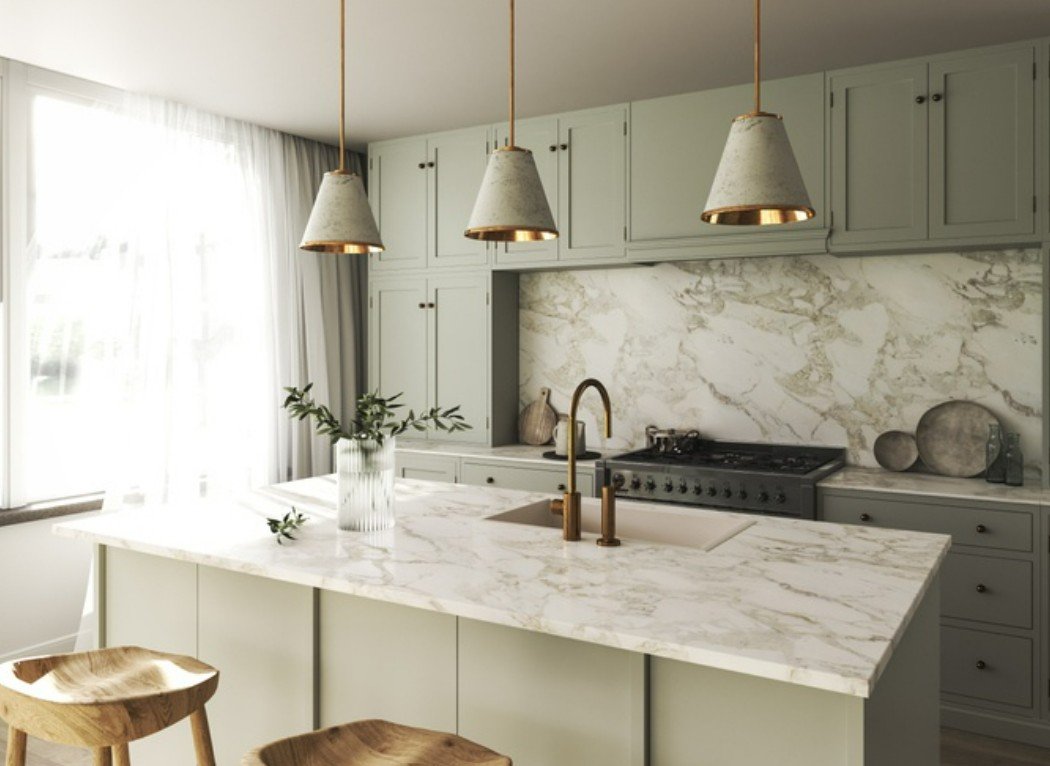
Architectural Limitations (Rooflines and Overhangs)
Even with generous window placement, architectural elements can significantly limit how light enters a home.
Roof overhangs, covered patios, and upper-level projections often block daylight — particularly in entryways or rear-facing rooms.
In these situations, simply adding more windows rarely solves the issue.
Instead, the focus shifts to how light is managed once it enters the space.
The Impact of Materials and Finishes
One of the most overlooked contributors to a dark interior is the selection of finishes.
Every material either reflects or absorbs light.
Dark flooring and cabinetry absorb light
Heavy or dark upholstery reduces brightness
Deep paint colours lower light reflectance
Even window coverings can block or filter light significantly
A space with multiple light-absorbing surfaces will always feel heavier — regardless of how much natural light is available.
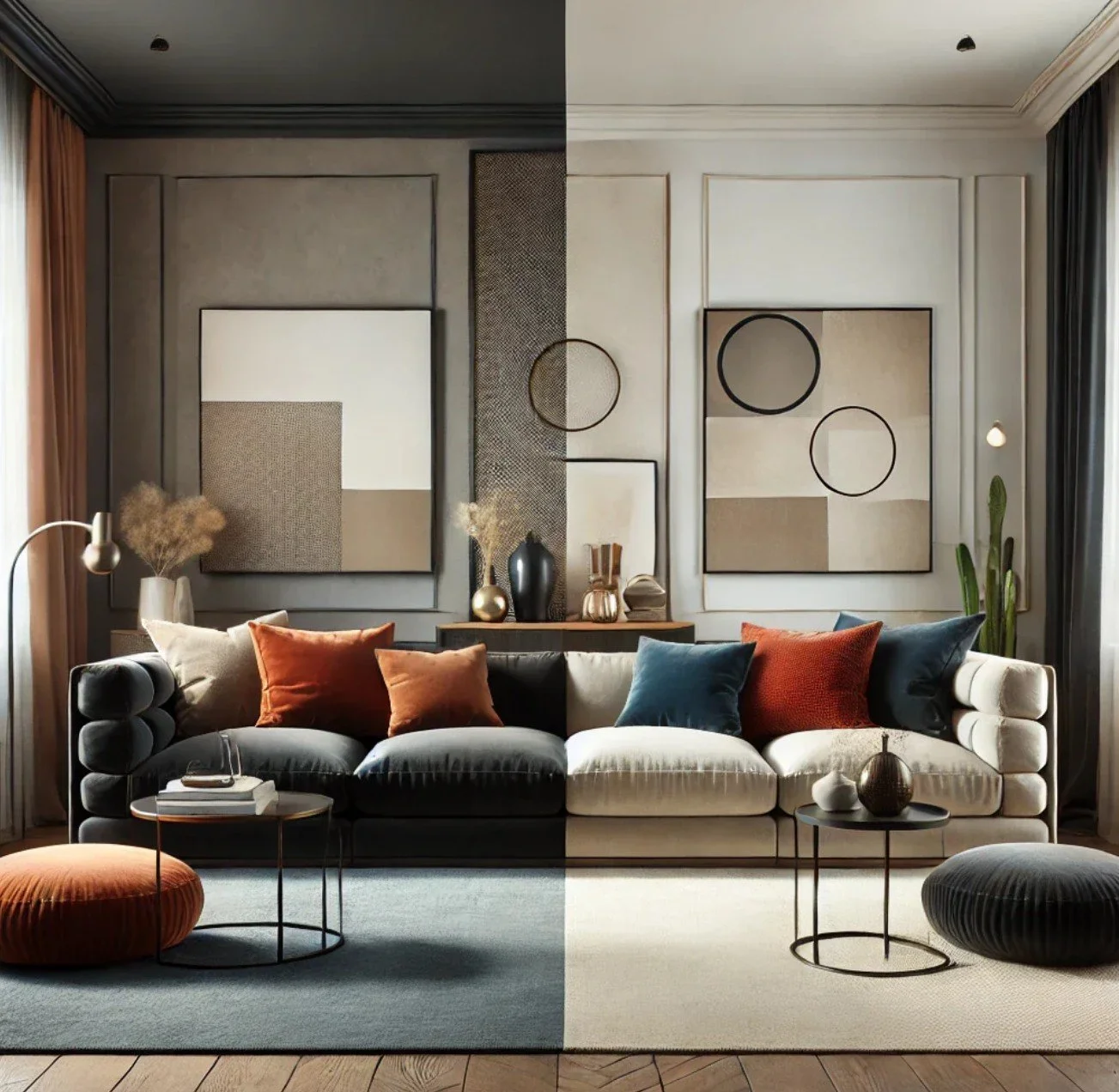
Lighting: The Most Effective Solution
While natural light is important, artificial lighting is what ultimately defines how a home feels — especially in the evenings and throughout the winter months in Victoria.
A well-designed lighting plan includes multiple layers:
Recessed lighting for overall illumination
Decorative fixtures to anchor key areas
Accent lighting to highlight architectural features
Lamps to add warmth and depth
Equally important are:
Lumen output (how much light is produced)
Colour temperature (how warm or cool the light feels)
Fixture scale and placement
A single undersized fixture will never adequately light a space — no matter how bright the bulb.
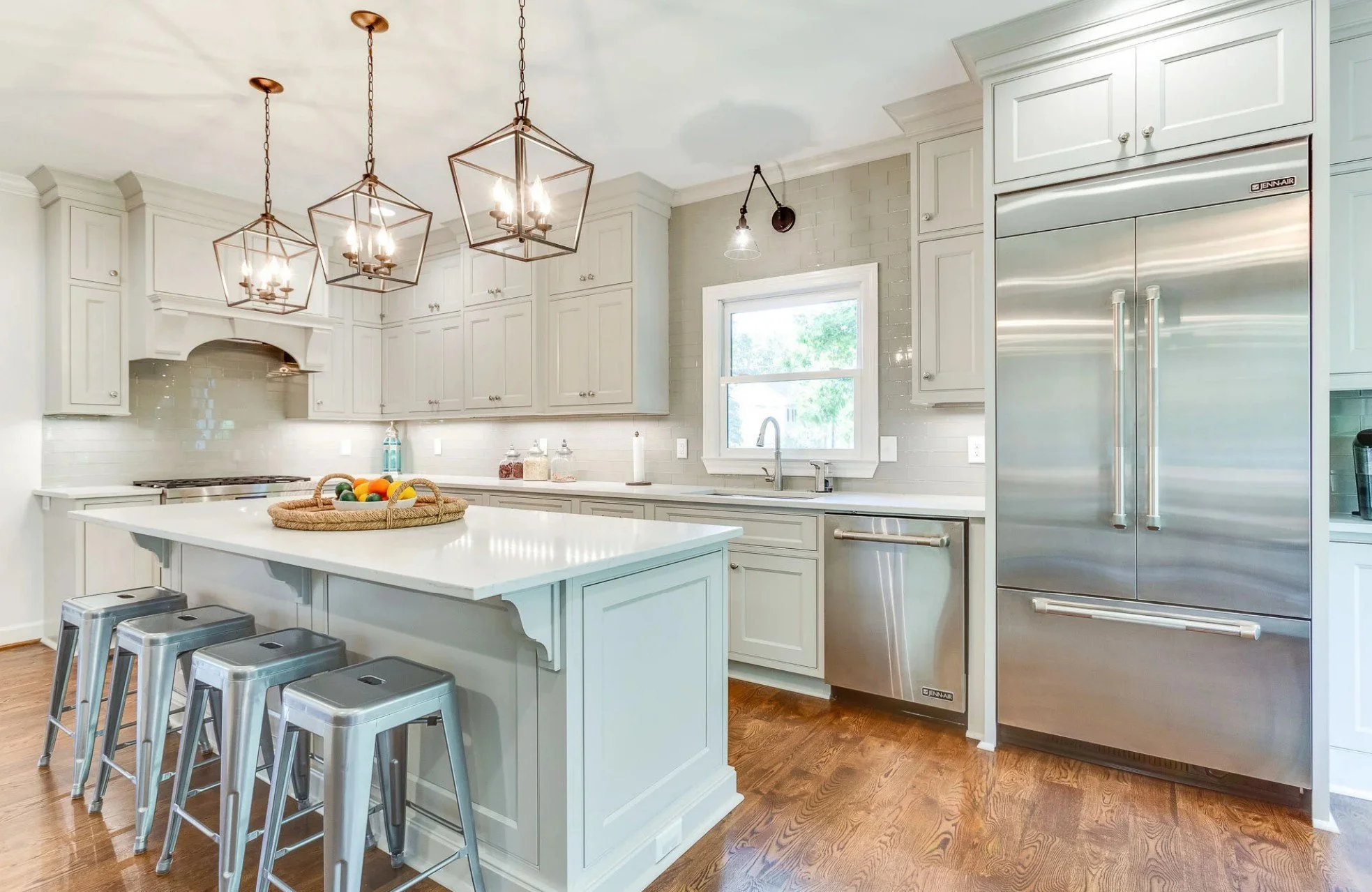
Colour and Light Reflectance
As we explored in our previous post, every paint colour has a Light Reflectance Value (LRV) — meaning it either reflects or absorbs light.
Higher LRV colours help bounce light around a room, while lower LRV colours absorb it.
This doesn’t mean dark colours should be avoided — but they need to be used intentionally, with the right lighting and surrounding materials to support them.
A More Strategic Approach to Brightening a Home
Brightening a home is not about making everything white or removing all contrast.
It’s about balance.
In well-designed homes, we carefully consider:
Where light enters
How it moves through the space
What materials enhance or absorb it
How artificial lighting supports it
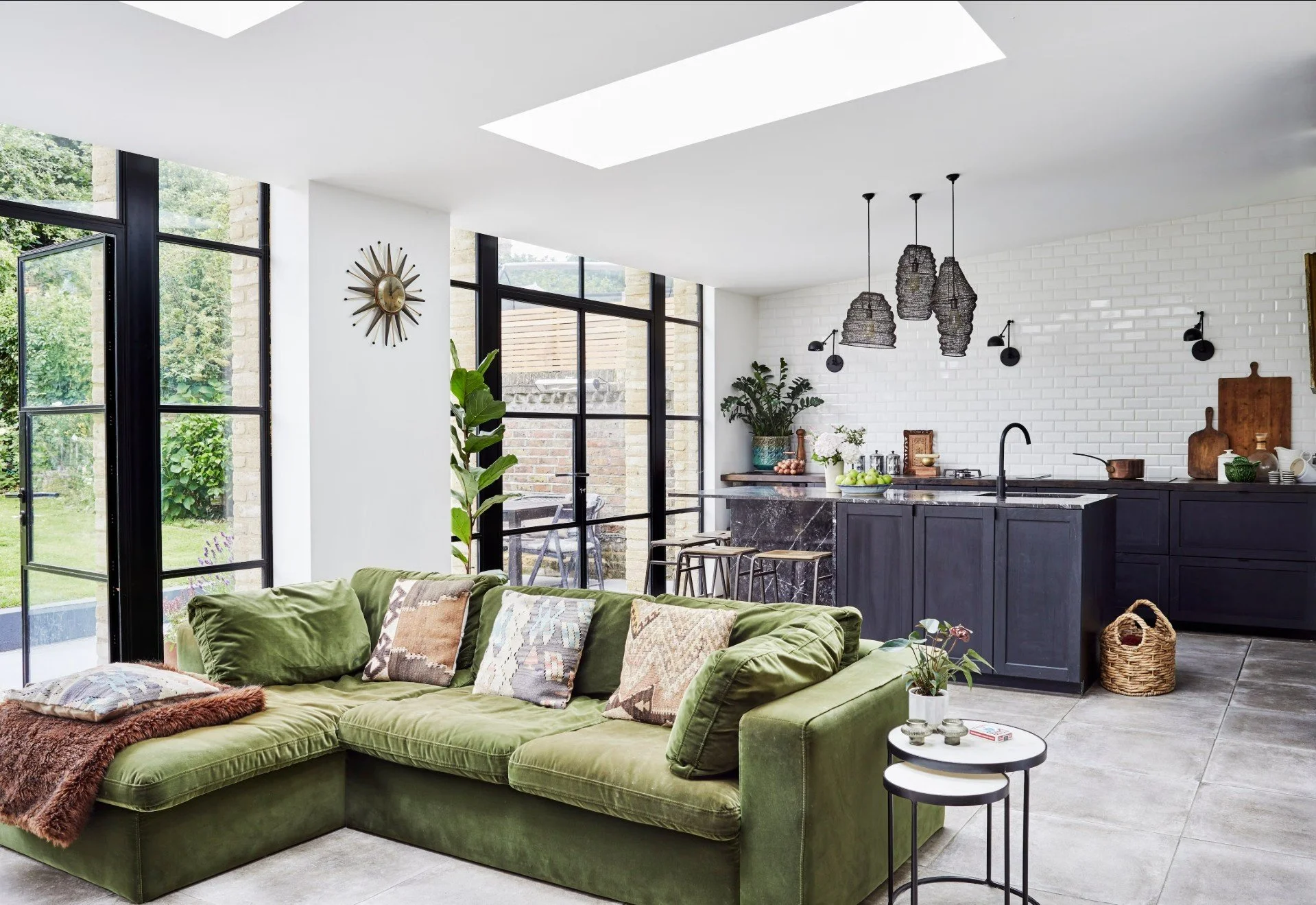
Often, the most impactful changes are not the most obvious ones. Layered lighting is one of the most effective ways to transform how a space feels.
The Takeaway
If your home feels dark, the solution is rarely one single change.
It’s a combination of:
Understanding your home’s natural light
Selecting finishes that support brightness
Designing a layered lighting plan
Creating cohesion throughout the space
When these elements are considered together, the result is a home that feels lighter, more open, and more comfortable to live in.
Planning a renovation or custom home in Victoria, BC?
We design interiors that feel balanced, intentional, and beautifully considered — ensuring every space works with light, not against it.